

Landscape Design and Landscaping Installation
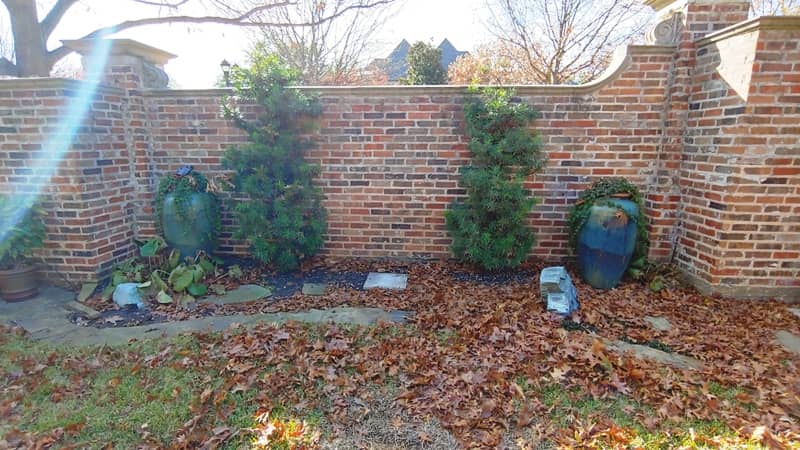

With the summer season behind us, North Texas homeowners can finally return to their yards and provide the much-needed TLC they deserve after enduring the harsh summer conditions. In addition to repairing any summer damage, it is also a wonderful time to prepare for the fall season and coming winter. This article will outline our top fall landscape maintenance tips for North Texas homeowners.
Fall is the perfect time to touch up your planting beds. Pull any grass or weeds that have found their way into the bed. Remove and dispose of any leaves, twigs, or debris that may have fallen in the beds. In addition, call a local landscaper to dig up any bushes or trees that didn’t survive the summer.
Once surrounding trees begin to shed their leaves, it will be time to rake the yard. Allowing leaf or other debris to sit on the lawn for too long can lead to sod dieback. In addition to raking leaves and debris from the lawn, it’s also a good practice to simply run a rake over the yard at this time of year. This will help to open the soil up to receive light, water, and nutrients.
Hardwood mulch helps protect and insulate our plants’ root systems through the summer months, but by the end of the season it has broken down. Plan to apply a fresh layer of mulch in all your planting beds and tree ring areas, at least 2-3 inches deep.
Fall pruning is really about removing any dead, diseased, or brittle parts of your plants. Wait until late winter or early spring to do a really heavy pruning job. Right now, go through your perennials and remove spent blooms (deadhead) and prune back any other parts of the plants that are dead or diseased. You can lightly prune your shrubs, but don’t cut any spring-blooming growth. You can prune your trees very lightly to remove any small sucker branches below the canopy.
Fall is a good time to fertilize your major plants, such as the lawn, trees, and shrubs. As they move towards their dormancy season, providing them with a slow-release granular fertilizer will help to sustain them with nutrients throughout the fall and winter seasons and prepare them for new growth to come in the spring.
The most important weed control for your lawn is pre-emergent weed control. This type of weed control is meant to prevent new weeds rather than treat weeds already in the lawn. The application creates a physical chemical barrier over the soil to prevent weed seeds from finding their way into the soil and germinating.
The summer months are extremely hard on your lawn. The high temperatures and frequent mowing lead to dry, compacted soil and thatch buildup on top of it. Thatch lying on the soil blocks sunlight, water, and nutrients from reaching the soil and the roots of your sod. Every one to two years, we recommend aerating your lawn. Lawn aeration is the practice of removing plugs of soil from your lawn, creating voids to relieve soil compaction and open it up again. You can hire a professional to do the job, rent an aeration machine, or even purchase aerating shoes to walk over your lawn with.

After running all summer long, the fall is a wonderful time to check to ensure you don’t have any leaks or sprinkler heads that need adjusting. Call a professional to have your sprinkler system reviewed.
Don’t forget to adjust your watering schedule for cooler temperatures. Unless we are having a very mild winter, most plants and sod can sustain themselves with rainwater or watering once every one to two weeks.
Warm-season annuals will perish with the first frost of the season, which is typically around Thanksgiving. You don’t need to wait until then if they are already looking spent. Go ahead and dig up those warm-season annuals to make space for the next batch of winter annuals.
If you wait until the first freeze comes, it will be too late to find frost cloth to protect plants from freezing Texas temperatures. We recommend purchasing it early in the fall season. Know your plants and which ones will need it when the freezing temperatures arrive. Any of your plants that are only hardy to zone 7 (and not below) should be covered (or brought inside if in a container) when temperatures fall below freezing for any length of time.