Soil preparation is critical to successfully replace sod. Sod requires sun, water, air, and nutrients to grow; ensuring all of those elements are working harmoniously is the most labor-intensive and time-consuming part of the job. We have outlined 8 steps on how to prepare soil for sod replacement.
Table of Contents
Remove Old Sod
Your new grass will have the best chance of succeeding if the old grass is removed. Without the proper tools, this can be a labor-intensive job. Do yourself a favor and remove the sod with a mechanical sod cutter. You can rent a sod cutter for about $150 per day, and it’s worth every penny.
Rototill Existing Soil
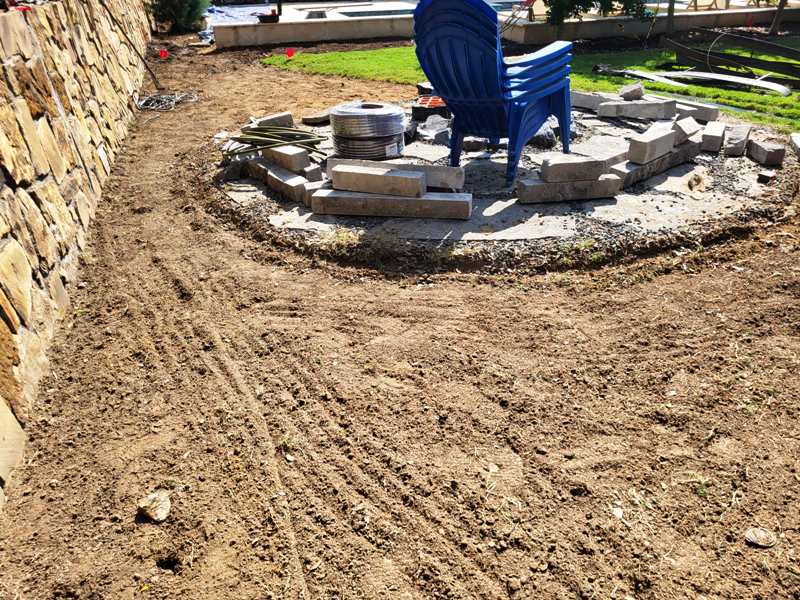
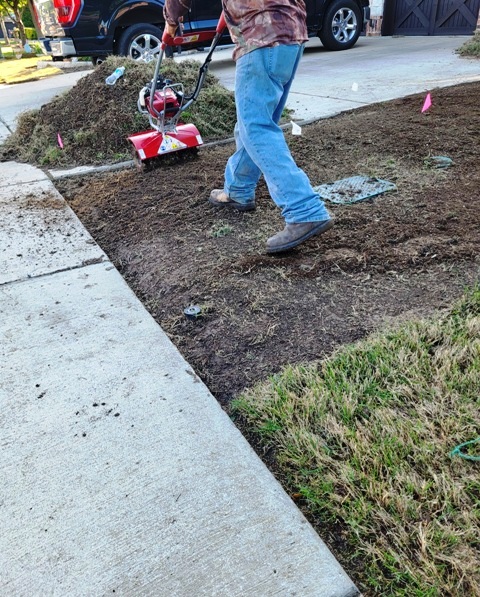
In addition to bringing unwanted rocks and debris to the surface, rototilling the existing soil will loosen and break up compacted clay soils. In the next steps, it will also assist with grading and soil amendment.
Remove Rocks and Debris
The success of your new sod and the development of deep roots will be hindered by rocks and debris left beneath your soil and grass. Any rocks and debris that were uprooted during the tilling process should be gathered and removed from the area.
Rough Grading
The tilled soil should be rough graded using a steel rake. Any low spots or negative grading should be noted. To improve drainage, you will need to build up the soil in these places to prevent pooling water in your yard.
Amend Soil
After rough grading, amend the topsoil with a compost and sand combination to build up the areas indicated in the previous step.
Rototill New Soil
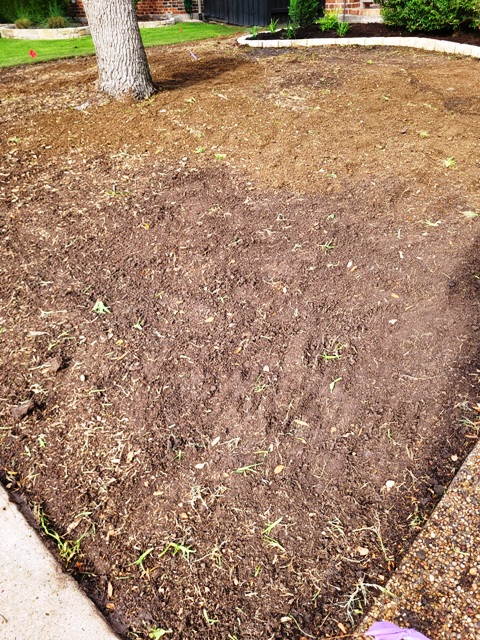
To blend the new soil and existing clay soil, you will need to rototill once more. Make sure to till the soil enough to break up any large clumps for a smooth finish grade.
Final Grading
To final grade the soil, use the steel rake once more. Make sure that all low spots are filled, that the soil is graded to shed water away from the foundation, and that the final grade is smooth without lumps.
Lightly Water Soil
To help settle and smooth the final grade, lightly wet the soil using a garden hose or sprinkler system. This needs to be done right before fresh sod is laid.
Preparing your soil for sod replacement involves a lengthy and potentially exhausting list of tasks. However, shortcuts with the preparations could land you back where you started, having to plant sod all over again. Take the time; you won’t regret it, and you will quickly forget about all the time it took to prepare when you are looking out over your thriving and healthy lawn.