
solvida
Summer Hardy Outdoor Potted Plants for Texas
- , Plants
Texas summers begin in June with mild temperatures in the 80s but rapidly soar into the high 90s and low 100s for all of July, August, and even part of September. These conditions make life challenging for all of our plants but especially challenging for container garden plants outside. Plants in the ground will benefit in the summer from having cooler soil temperatures around their roots, while plants in a container need to contend with soil that is heating up. There are several plants that thrive in both heat and pots. We have listed five hardy outdoor potted plants that thrive in Texas summers.
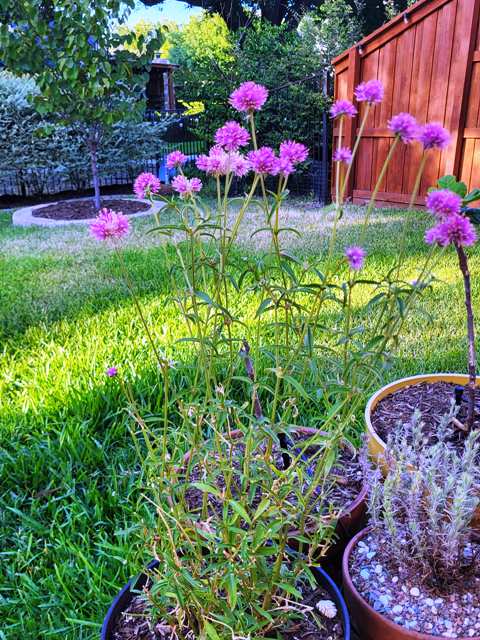
Gomphrena
Easily one of the most unique flowers in any container, Gomphrena blooms unforgettable, thistle-like balls in bright purple, pink, orange, or white. Gomphrena loves the heat and seems totally unaffected by our summer conditions and can grow up to 2 ft in height, producing blooms all season long. You can plant Gomphrena on its own in a pot or with other summer-loving favorites. Gomphrena is grown as an annual in North Texas, meaning that it will survive for one growing season.
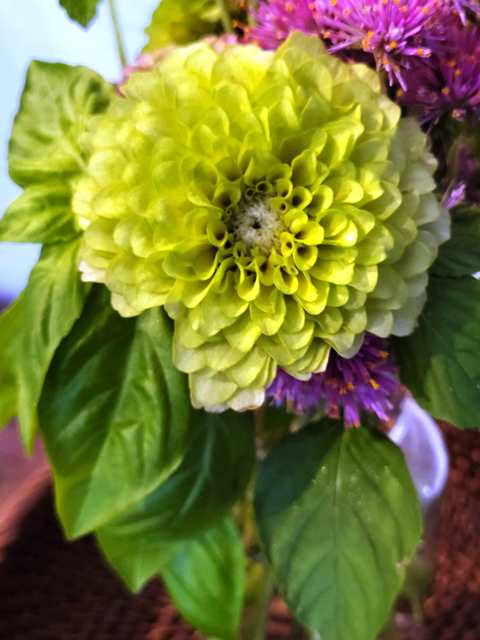
Zinnia
Next to the sunflower, Zinnia is one of the biggest and longest-lasting summer blooming annuals in North Texas. Available in almost any color you can imagine, Zinnia flowers range from 2″ to 5″ in diameter. When purchased from the plant nursery, Zinnia tends to stay compact and grows to about 1 ft in height. However, if you grow the Zinnia from seed, most of them can reach over 3 ft in height. Zinnia blooms best in early summer and then again toward the end of summer. Zinnia is an annual summer flower that will need to be replanted each year.
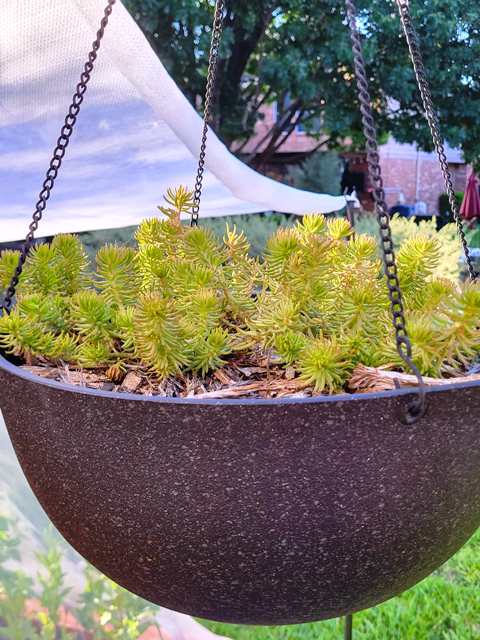
Sedum
There are several hundred varieties of sedum, also referred to as stonecrop. Some of these varieties grow tall while others stay low to the ground and grow in a trailing habit. However, all varieties of sedum are succulents and have the same fleshy or squishy leaves due to their incredible water-storing capacity. Sedum is incredibly drought-tolerant, making it a wonderful choice for potted plant arrangements. Sedum are perennials in North Texas and, depending on the variety, will simply fade a bit during the winter season and begin growing again each spring.

Salvia “Autumn Sage”
While many varieties of Salvia will survive a Texas summer, “Autumn Sage” seems to consistently perform the best in containers. One of the longest flowering summer perennials in north Texas, Salvia “Autumn Sage” will bloom between April and October and is available in red, pink, purple, and white blooms. Since “Autumn Sage” can easily grow to 2 ft in height/width, you might consider planting it in its own pot. This variety of Salvia is a perennial in North Texas, so it will go dormant over the winter and bloom again each spring.

Herbs
While not all herbs are suitable for hot, summer potted arrangements, many of them are. The summer sun will release the aromas of the herbs and deter harmful pests from our other plants. Rosemary is the largest of the heat-loving herbs and can be grown as an evergreen shrub in North Texas as long as you cover it or bring it inside during a freeze. Oregano is a small, shrubby herb used for seasoning almost any meat as well as tomato sauce. Finally, Thyme can also be grown in any summer container. Whether you plant the traditional small shrubby Thyme or the Creeping Thyme, all varieties bring aroma and beauty to your arrangements. All of these herbs will flower at some point throughout the spring or summer months.
How to Care for Summer Hardy Potted Plants
Regardless of what you plant in your containers during the summer, here are a few tips for success.
- Mulch everything! Add a layer of mulch to all the plants in your containers, as the mulch will keep the soil a bit cooler during the summer heat.
- Water consistently and more often than plants in the ground. Depending on the size and material of the pot, some arrangements may need to be watered daily. Check with a moisture meter to be sure, but water your arrangements thoroughly until you see the water streaming out of the bottom.
- Ensure good drainage in your containers. Make sure to always use a pot that has a hole or multiple holes in the bottom so that water can drain out. Use potting soil rather than garden soil so that the soil contains things like perlite or peat for better drainage within it. You can also place a layer of small rocks at the bottom of your pot to allow for efficient drainage.