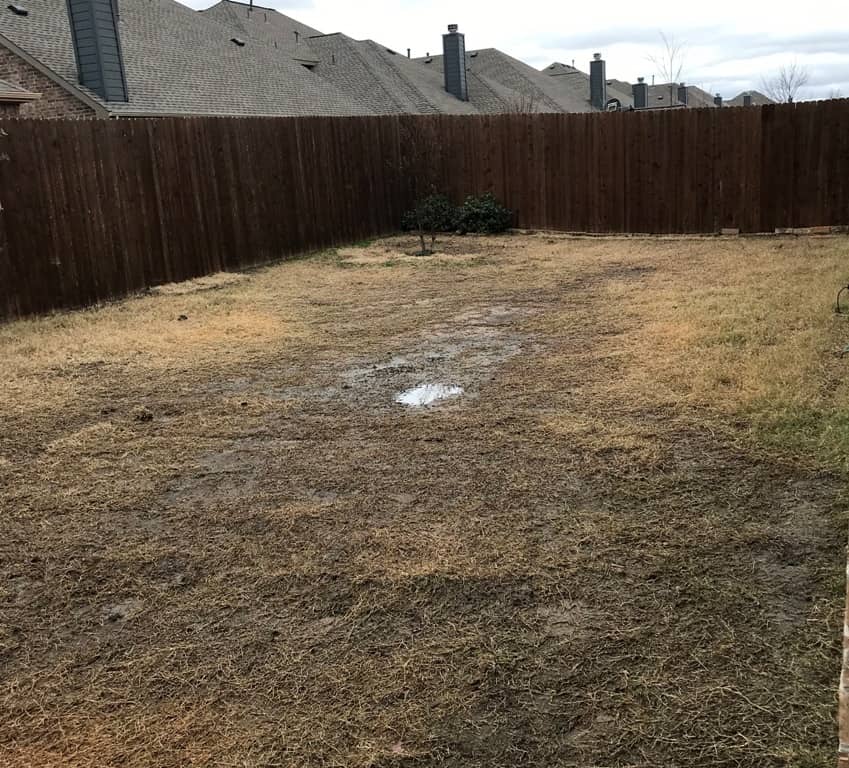
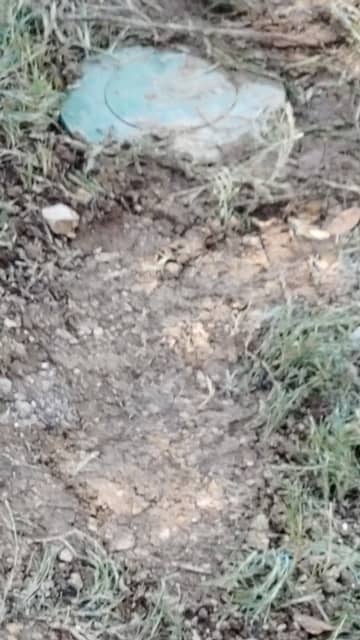
Does your yard look more like a pond after an irrigation cycle or rain? People often have problems with standing water, which is more than just an eyesore—it can affect your grass, attract bugs, and be a sign of bigger drainage problems. Several things, like hard soils or bad grading, can stop water from absorbing into the ground as it should. This article will show you the most common reasons why your lawn holds water and give you long-term, useful ways to dry it up and make your yard usable again.
Irrigation Leak
When irrigation pipes and sprinkler heads break, they leak a lot of water that can quickly flood your lawn. A leaky sprinkler system will waste water, raise your bill, and make it hard for your grass to grow.
How to Fix It
Turn on the sprinkler system to look for broken heads and fix them.
Dig up the ground where there is standing water to find broken pipes and fix them.
Learn what type of grass you have in your yard and how much water it needs weekly.
Check the irrigation controller’s watering schedule and make any necessary changes.
Use the cycle and soak method when irrigating your lawn, especially in areas with steep grades.
Negative Grading
A yard that is graded incorrectly may have a negative slope that moves unwanted water towards a structure or have low spots where water puddles. A yard that is improperly graded can lead to pooling water and even cause problems with the structure of your house.
How to Fix It
Add soil to low spots.
Remove soil in high spots.
Regrade the yard so that water trends away from your home and property.
Clogged Yard Drain
A clogged yard drainage system can back up after a storm or irrigation cycle and flood areas of your lawn, so it’s important to clear any blockages in yard drains before this happens. Keep in mind that drainage pipes are buried underground, so this may be challenging to troubleshoot.
How to Fix It
Check gutter downspouts and drainage pipes; unclog if needed.
Check drainage system discharge points and catch basins; unclog them if needed.
In North Texas, we have dense clay soils with poor drainage qualities. These clay soils fill with water quickly, which can lead to flooding, runoff, and standing water.
How to Fix It
Incorporate organic matter, like compost, to amend compacted soils.
Add garden gypsum to break up and loosen compacted soils.
There’s no need for standing water in your yard. While homeowners can easily tackle some problems on their own, a pro may be the best option for others. That being said, you’ll need to identify the cause of your standing water and quickly address it to keep your lawn and property safe.